

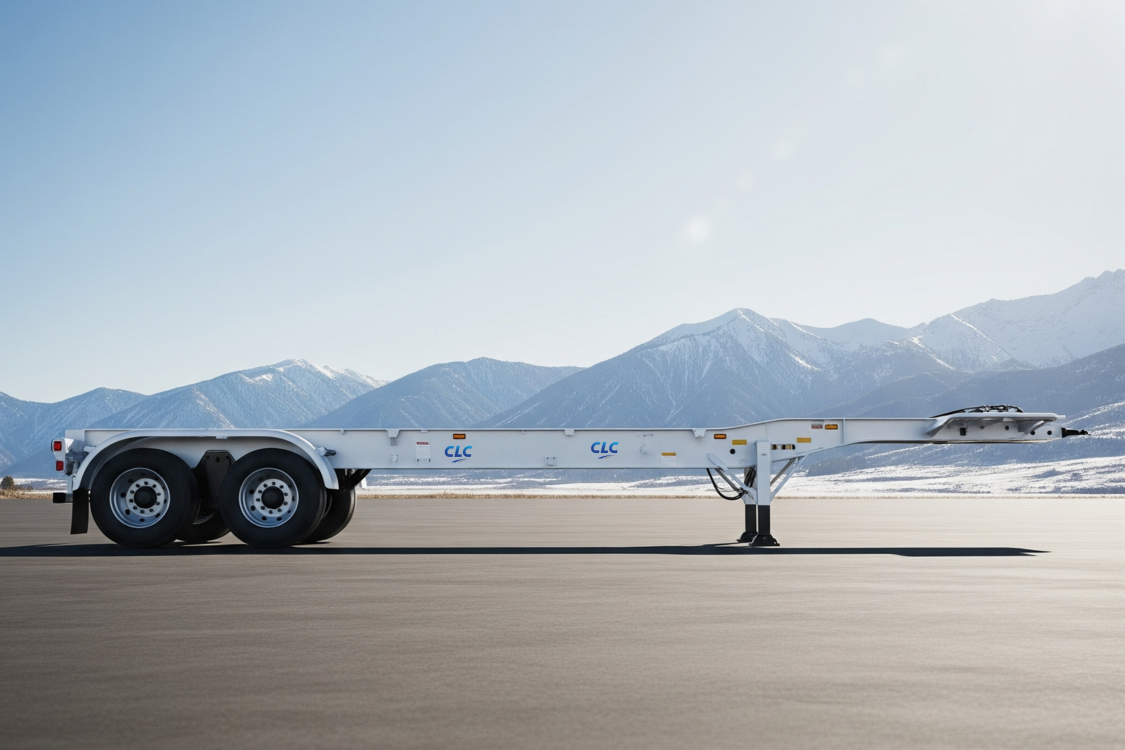
In the fast-paced world of logistics and transportation, businesses need to remain agile and efficient to meet client demands while managing operational costs. One of the most effective ways to achieve this is through semi trailer leasing. Leasing provides businesses with the tools they need to optimize their logistics operations, offering both financial and operational benefits that support long-term success. In this article, we will explore how semi trailer leasing maximizes efficiency and provides a cost-effective solution to some of the most common challenges faced by logistics companies.
1. Lower Initial Investment and More Capital for Growth
One of the most significant advantages of semi trailer leasing is the reduced initial investment required. Purchasing semi trailers outright can involve substantial upfront capital—an expense that can be difficult for many businesses to absorb, especially those just starting or looking to grow. Leasing allows businesses to access high-quality trailers without the financial burden of purchasing new equipment. This frees up capital, allowing companies to reinvest in other areas such as expanding their fleet, enhancing technology, or improving operational processes. By reducing the need for a large upfront investment, leasing makes it easier for businesses to focus on growth and development while maintaining financial flexibility.
2. Enhanced Operational Flexibility to Meet Demand
Logistics and transportation are industries that are highly susceptible to fluctuations in demand. During peak seasons or special projects, businesses may need to quickly scale up their fleet size to meet increased shipping requirements. Conversely, during slower periods, reducing fleet size can help avoid unnecessary expenses. Semi trailer leasing provides businesses with the flexibility to adjust their fleet according to their current operational needs. Whether a company needs additional trailers to handle seasonal demand or wants to downsize during off-peak times, leasing offers the flexibility to scale the fleet up or down without the commitment and costs associated with ownership. This ability to adjust fleet size based on market conditions helps businesses maintain operational efficiency and reduce unnecessary costs.
3. Reduced Fleet Maintenance and Repair Costs
Managing fleet maintenance and repairs is a time-consuming and expensive aspect of owning semi trailers. The ongoing costs associated with maintaining trailers, ensuring they comply with industry standards, and repairing any wear and tear can quickly add up. Leasing semi trailers eliminates many of these concerns. Many leasing companies, including Contract Leasing Corporation, offer maintenance services as part of the lease agreement. This includes routine inspections, preventive maintenance, and repairs, ensuring that trailers remain in top working condition throughout the lease term. By leasing, businesses can avoid the unpredictable costs of maintenance and repairs, allowing for more accurate budgeting and reducing the chances of unexpected downtime due to equipment failure.
4. Access to the Latest Equipment and Technology
In a highly competitive market, staying ahead of the curve in terms of technology and equipment is essential. Semi trailer leasing provides businesses with access to the latest models and features without having to invest in new equipment every few years. Leasing companies frequently update their fleets to include the latest technologies, such as fuel-efficient engines, advanced safety features, and GPS tracking systems. This allows businesses to benefit from modern equipment that enhances both efficiency and safety, while also meeting customer expectations for faster and more reliable deliveries. By leasing, companies can stay competitive by always having access to the newest, most technologically advanced trailers.
5. Greater Control Over Fleet Expenses and Budgeting
One of the most challenging aspects of owning a fleet is managing expenses. With trailer ownership comes a wide array of costs, including initial purchase price, maintenance, repairs, insurance, and depreciation. These costs can fluctuate, making it difficult for businesses to predict their expenses accurately. Leasing semi trailers provides a solution by offering predictable monthly payments that allow businesses to better control their budgeting. Leasing agreements often include maintenance and insurance as part of the deal, which means businesses don’t have to worry about unexpected expenses or managing separate contracts. This predictability helps businesses plan their finances more effectively, ensuring they can allocate resources where they are most needed.
6. Mitigating the Risk of Asset Depreciation
Every asset depreciates over time, and semi trailers are no exception. For businesses that own their equipment, this means the trailers lose value each year, which can significantly affect resale prices. Depreciation is especially problematic for businesses that need to replace old equipment but are still recovering the costs of ownership. Leasing eliminates this issue, as businesses do not own the trailers and are not responsible for their depreciation. By leasing, companies can avoid the financial losses associated with devaluation, and when the lease term ends, they can simply return the trailers and lease newer models. This ensures businesses always have access to high-quality, up-to-date trailers without worrying about asset depreciation.
7. Improved Safety and Compliance
Compliance with safety regulations is crucial in the transportation industry. Semi trailers must meet strict standards for roadworthiness, and ensuring that trailers comply with these regulations can be a significant burden for businesses that own their equipment. Leasing helps mitigate these challenges by ensuring that trailers are regularly maintained and inspected to meet regulatory requirements. Leasing providers often include compliance monitoring as part of their service, ensuring that trailers are always up to code. This helps businesses avoid costly fines, reduce safety risks, and maintain a reputation for reliability and compliance.
8. Building a Strong Partnership with an Experienced Provider
When businesses opt for semi trailer leasing, they are not just renting equipment—they are building a long-term partnership with a leasing provider that understands their unique needs. Contract Leasing Corporation, a family-owned company with over 30 years of experience, is dedicated to offering personalized leasing solutions that help businesses grow and thrive. With expert advice, flexible leasing options, and reliable support, CLC ensures that businesses get the most out of their leased trailers. About Us to learn more about how CLC can support your logistics operations and help you maximize your fleet’s efficiency and performance.
Conclusion: Unlocking Greater Efficiency with Semi Trailer Leasing
In conclusion, semi trailer leasing provides businesses in the logistics and transportation sectors with a valuable solution to enhance efficiency, reduce costs, and maintain flexibility in a rapidly changing market. With lower upfront costs, predictable monthly payments, reduced maintenance responsibilities, and access to the latest equipment and technology, leasing helps businesses optimize their fleet operations without the financial and operational burdens of ownership. By partnering with a trusted provider like Contract Leasing Corporation, businesses can streamline their fleet management processes and stay competitive in a challenging industry. Leasing isn’t just a financial solution—it’s a strategic decision that supports long-term growth and operational success.